 Buy now
Perimenopause and falling out of love: is it my relationship or my menopause?

Feeling like you’ve fallen out of love during perimenopause is more common than many women realise. Hormonal changes can affect your mood, energy, libido and patience, and all of these can change how you feel about your partner. Sometimes the relationship really has run its course. Often, though, perimenopause is part of the picture. Here, I answer a question I’m asked a lot and share ways to work out what is going on.
The question: “I can’t figure out if I’m no longer happy in my relationship or just generally unhappy because of my menopause.”
Can perimenopause make you fall out of love?
Perimenopause doesn’t switch love off, but it can make you feel very differently about your relationship. Fluctuating oestrogen and progesterone affect brain chemicals involved in mood and wellbeing. Many women describe:
- feeling flat, numb or “not myself”, and losing interest in things they used to enjoy
- irritability, rage and a much shorter fuse, often aimed at the people closest to them
- anxiety, low mood and tearfulness
- exhaustion from poor sleep and night sweats
- a low sex drive, and vaginal dryness that can make sex uncomfortable or painful
- brain fog, which makes conversations and decisions feel harder
Add the pressures that often land at the same time of life, such as teenagers, ageing parents, work and money worries, and it’s no surprise that many couples hit a rough patch.
Is it my relationship or my menopause?
There is no simple test, but these questions can help you untangle it:
- When did the feelings start? Did they arrive alongside other symptoms, such as changes to your periods, poor sleep, hot flushes or anxiety?
- Is it just your partner, or everything? If you feel flat about work, friends and hobbies too, hormones and low mood may be playing a big part.
- Were there problems before? If the same issues were there long before perimenopause, menopause may be bringing them to the surface rather than causing them.
- Do the feelings come and go? Some women notice their mood follows their (often irregular) cycle.
Keeping a simple diary of your symptoms and mood for a few weeks can be really revealing, and it’s useful to take to your GP. Our guide to menopause symptoms is a good place to start.
What can help
- Talk to your GP. If menopause is affecting your mood, treatment can make a real difference. HRT can help with menopausal low mood, and NICE recommends cognitive behavioural therapy (CBT) for menopause-related low mood and anxiety. Vaginal oestrogen can help with dryness and discomfort during sex.
- Tell your partner what’s happening. Many partners have no idea what perimenopause involves. Explaining it can turn “what’s wrong with us?” into “how can we get through this together?”
- Get relationship support. Counselling can help you work out whether you want to rebuild or move on, without making big decisions in the middle of a hormonal storm.
- Look after yourself. Regular exercise, better sleep and time with friends all help with mood.
Julie’s answer
I’m sorry to hear that you’re feeling uncertain about your happiness in your relationship and are also going through the challenges of menopause. It can be difficult to differentiate between personal emotions and the impact of hormonal changes.
Firstly, it’s important to acknowledge that menopause can bring about various physical, emotional, and psychological changes. Hormonal fluctuations can affect your mood, energy levels, and overall sense of wellbeing. These changes can undoubtedly influence how you perceive your relationship and your general happiness. It might be helpful to consult with a healthcare professional or a menopause specialist who can provide you with accurate information and support during this transitional phase. Find a menopause specialist here.
While it’s normal to experience some ups and downs in any long-term relationship, it’s crucial to evaluate the overall health and satisfaction within your partnership. Reflect on your relationship’s dynamics, communication patterns, and the fulfilment you get from it. Consider whether your concerns and dissatisfaction are primarily linked to the changes you’re experiencing due to menopause, or if there are deeper, relationship-specific issues that are contributing to your unhappiness.
Open and honest communication is key. Try discussing your feelings with your partner, explaining the difficulties you’re facing during menopause and how they might be affecting your emotions. Sharing your concerns can foster understanding and empathy between you, and your partner may be more willing to support you through this challenging time. If you need further support, get in touch with Relate who have a library of free resources as well as paid-for therapy and counselling sessions.
It might also be beneficial to explore self-care practices that can help alleviate some menopause symptoms and improve your overall wellbeing. Engaging in activities like exercise, mindfulness, and relaxation techniques can provide a sense of balance and calm, which may positively influence your perspective on your relationship.
Don’t go through this alone, talk with friends or if you prefer, join our MenoSisters group as it’s always good to know that others are feeling just like you.
Lastly, if you find that your unhappiness persists despite addressing menopause-related issues and having open discussions with your partner, it could be valuable to seek professional help. A therapist or counsellor can assist you in navigating your emotions, clarifying your needs and desires, and determining whether staying in your current relationship is the best choice for your long-term happiness.
Remember, your wellbeing is of utmost importance. Take the time to care for yourself, seek support from loved ones, and consider professional guidance to help you gain clarity and make informed decisions.
Is menopause affecting you at work?
MenoHealth helps employers support colleagues through perimenopause and menopause. Find out about our menopause support at work programme, our accredited menopause awareness training and Menopause First Aid CPD for managers and champions, or download our free menopause action plan checklist for employers. If your workplace could do more, why not share this with your HR team?
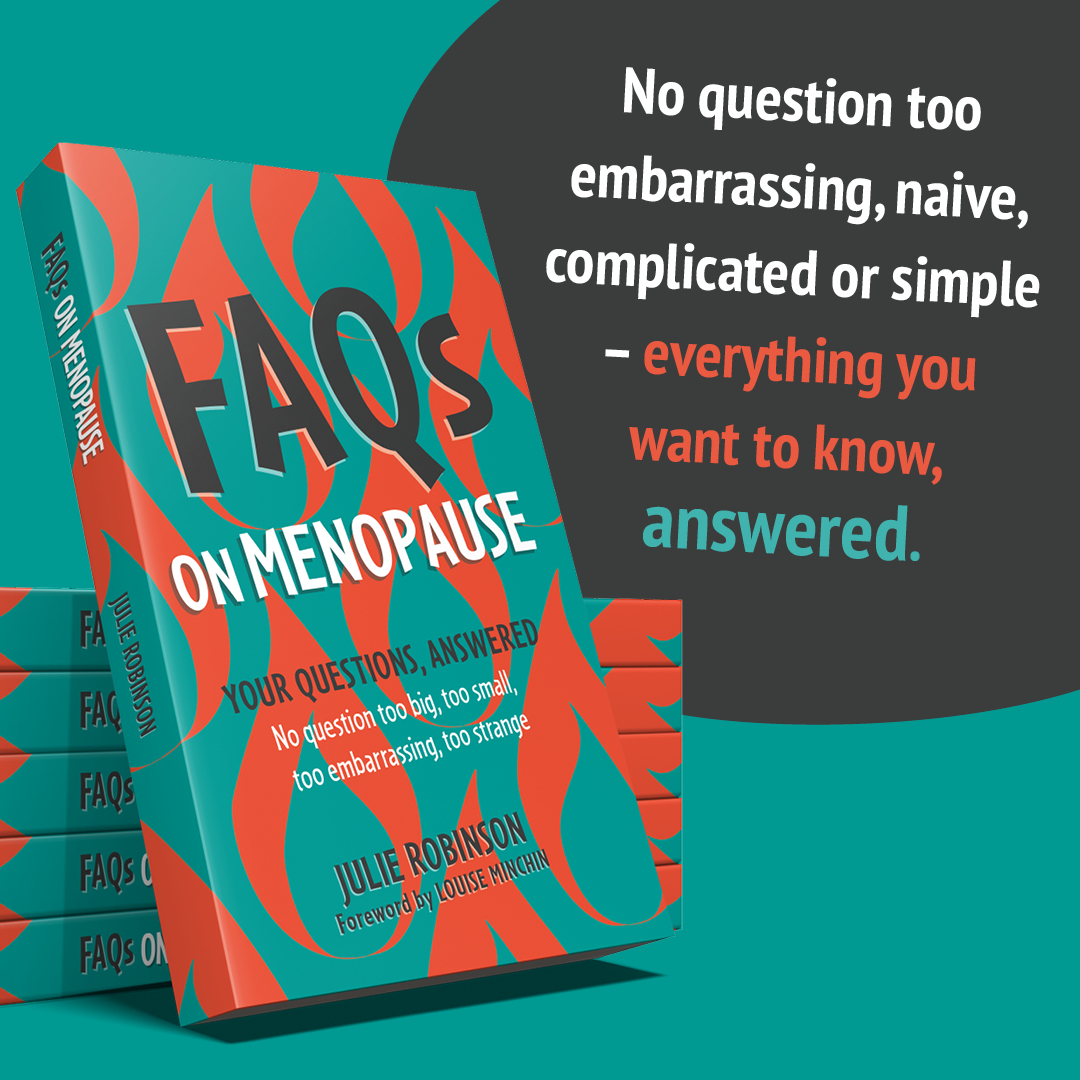
If you’re feeling unsure about how to navigate menopause, get a copy of FAQs on Menopause. No question is too embarrassing, naive, complicated or simple – everything you want to know answered.